The International Conference on Feedback-Informed Treatment

Organizers


Speakers
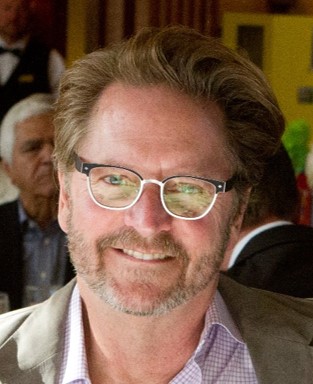
Scott D. Miller, Ph.D. is a co-founder of the International Center for Clinical Excellence, an international consortium of clinicians, researchers, and educators dedicated to promoting excellence in behavior health. Dr. Miller offers training in the United States and broad, helping hundreds of agencies and organizations, both public and private, to achieve superior results. He is one of a handful of invited faculty whose work, thinking, and research is featured at the prestigious Evolution of Psychotherapy Conference. His humorous and engaging presentation style and command of the research literature consistently inspires practitioners, administrators, and policy makers to make effective changes inservice delivery. Scott is the author of numerous articles and co-author of Working with the Problem Drinker: A Solution Focused Approach (with Insoo Berg [Norton,1992]), The Miracle Method: A Radically New Approach to Problem Drinking (with Insoo Kim Berg [Norton, 1995]), Finding the Adult Within: A Solution-FocusedSelf-Help Guide (with Barbara McFarland [Brief Therapy Center Press, 1995]), Handbook of Solution-Focused Brief Therapy: Foundations, Applications, and Research (with Mark Hubble and Barry Duncan [Jossey-Bass, 1996]), Escape from Babel: Toward a Unifying Language for Psychotherapy Practice (with Mark Hubbleand Barry Duncan [Norton, 1997]), Psychotherapy with Impossible Cases: Efficient Treatment of Therapy Veterans (with Mark Hubble and Barry Duncan[Norton, 1997]), The Heart and Soul of Change (with Mark Hubble and BarryDuncan [APA Press, 1999] and Bruce Wampold [2 nd Edition, 2010]), The Heroic Client: A Revolutionary Way to Improve Effectiveness through Client-Directed, Outcome-Informed Therapy (with Barry Duncan [Jossey-Bass, 2000], and JacquelineSparks [Revised, 2004]), The ICCE Feedback Informed Treatment and TrainingManuals (ICCE Press, 2012), The Cycle of Excellence (Wiley, 2017), Feedback Informed Treatment (APA, 2017), and Better Results: Using Deliberate Practice to Improve Therapeutic Effectiveness (APA, 2020).
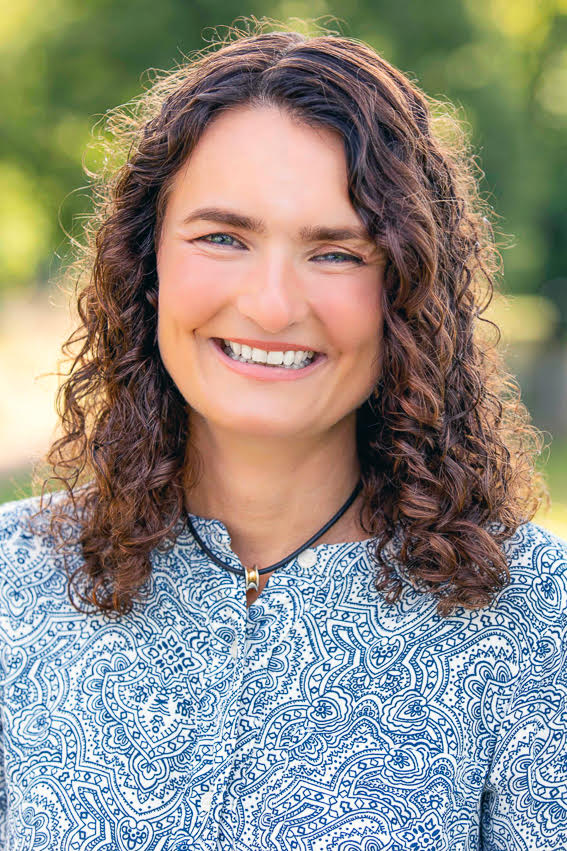
Birgit is a trained psychologist from NTNU and a specialist in clinical psychology (children and adolescents). Throughout her career, she has had a strong interest in feedback and has taught Feedback Informed Treatment (FIT)since 2006. She also has extensive experience giving lectures and teaching at conferences and seminars within the field of mental health. After completing her education in 2005, Birgit worked for the first five years in specialist health services, and later in municipal services. Until September 2019, she was the head of Stangehjelpa in Stange Municipality, a service built on the foundation of user feedback. In 2016, she received the Psychologist Award from the Norwegian Psychological Association for her work at Stangehjelpa and for challenging authorities and asking critical questions. She also received the Freedom of Speech Award in Mental Health Care in 2021. Birgit has written articles, opinion pieces, and newspaper columns. Her book Videre – Hvordan psykiske helsetjenester kan bli bedre was published in 2014. It was later published in English in collaboration with David Prescott in 2019 under the title Beyond BestPractice – How Mental Health Services Can Be Better. In 2022, she co-authored the book Hjelp som hjelper. Psykisk helsetjeneste med lavterskel together with her former colleagues at Stangehjelpa. Birgit teaches, supervises, and gives lectures. In addition, she holds a 20% position at Sortlandshjelpa in Sortland Municipality, where she coordinates the national Hjelpanettverket. She also has a small clinical practice in Hamar. She is the editor-in-chief of the online magazine Mad in Norway.
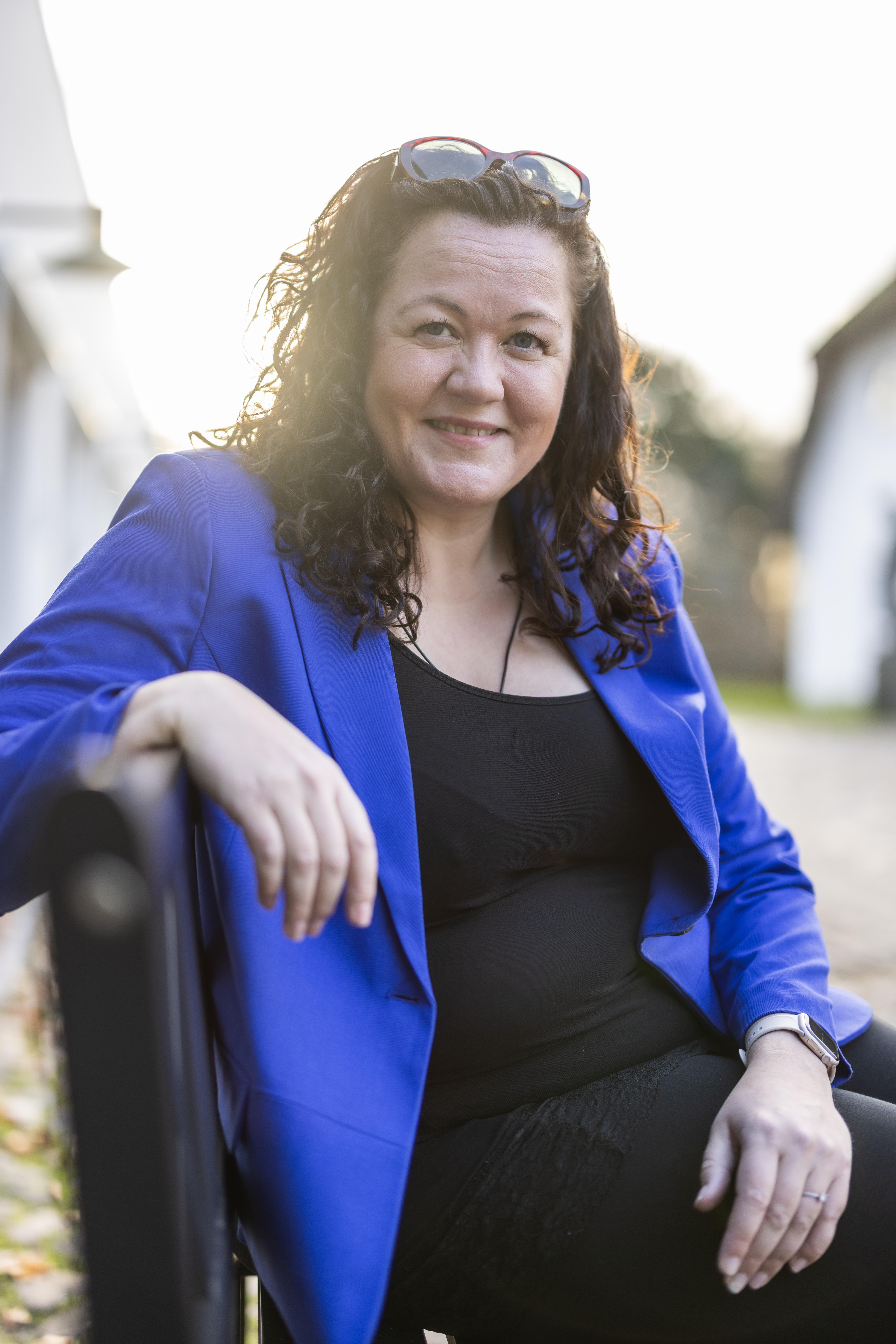
Susanne Bargmann has for many years been involved in the International Center for Clinical Excellence (ICCE) in leading roles. A clinical psychologist with over two decades of experience, she is internationally recognized for her expertise in helping practitioners and organizations implement feedback-informed treatment (FIT). Known for her engaging teaching style, clarity, and practical focus, she has inspired professionals across the globe to improve outcomes and deliver helpful services. She is the author of two best-selling Scandinavian volumes on FIT and Deliberate Practice, Feedback Informed Treatment: En Grundbog and Bliv Bedre – medfokuseret træning, and co-author of the newly released Feedback InformedTreatment: A Treatment, Training and Implementation Manual. In addition, she publishes regularly on both FIT and Deliberate Practice, bridging research and real-world clinical application.
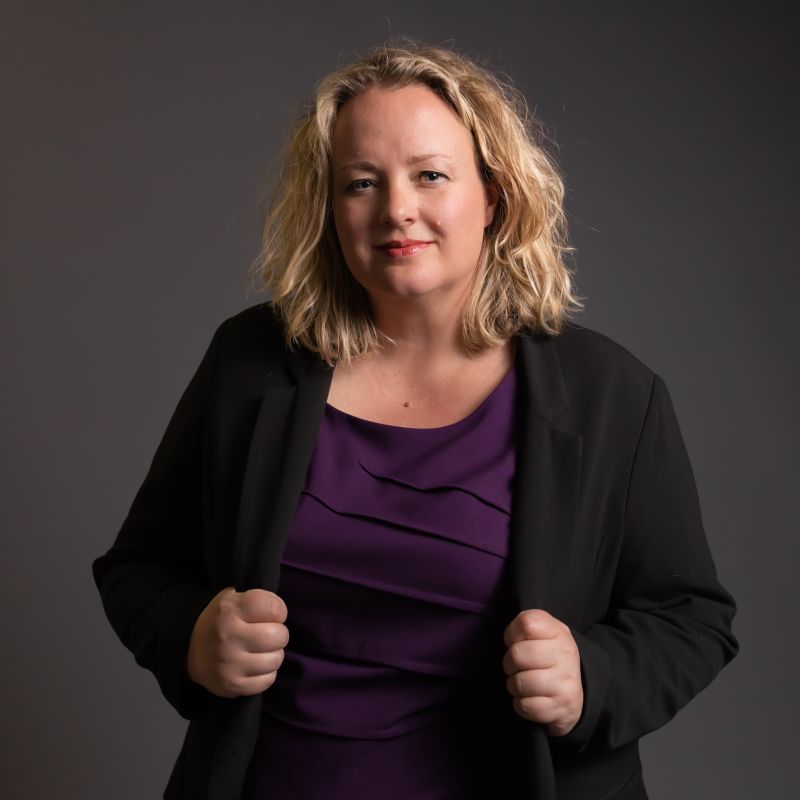
Kim de Jong earned her doctoral degree in clinical psychology from Leiden University in 2012. Before that, she received her master degree in clinical psychology and in psychological methods at the University of Amsterdam in 2000. After graduating from the UvA, she started working as an applied researcher at GGZ Noord-Holland-Noord, a mental health care institution in the Netherlands. During that period, she visited Michael J. Lambert at Brigham Young University for four months. She started as an Assistant Professor in Clinical Psychology at Leiden University in 2013, but received the NWO Rubi congrant that year, which provided her with the opportunity of a VisitingScholarship at the University of Pennsylvania, where she worked with Robert J.DeRubeis. Since September 2014, she is back in Leiden as Assistant Professor in Clinical Psychology. She also has a small private practice. Her research focuses on understanding differences in treatment outcomes between organizations, therapists and patients, as well as developing and testing interventions that improve outcomes in routine clinical practice. Kim has two major research lines: personalized mental health care and therapist effects. In personalized mental health treatments are tailored towards the individual patient, based on their characteristics. Kim works with large databases of outcome measurements to predict which interventions work best for which patients. The therapist effects research line focuses on assessing why certain therapists perform better than others. She also investigates interventions that aid therapists to offer more effective care, such as Routine Outcome Monitoring (ROM) feedback, deliberate practice and training therapeutic skills.

Daryl Chow, MA, Ph.D. (Psych) is a practicing psychologist and trainer. He is a senior associate of the International Center for Clinical Excellence (ICCE). He devotes his time to training therapists worldwide and research on the development of expertise and highly effective psychotherapists, helping practitioners become deep learners and improve client outcomes. Daryl is the author of several articles and books. Daryl and colleagues published the first ever study on deliberate practice in psychotherapy, a nominee for “mostvaluable paper” of 2015 by American Psychological Association. In 2025, his study on Improving Responses to Challenging Scenarios in Therapy appeared in APA’s Editor’s Choice, regarded as“...the best science in each area of our discipline, reflecting science that is exceptionally important, impactful, and deserves additional visibility for the whole field.”Daryl’s blog, Frontiers of Psychotherapist Development (darylchow.substack.com) is aimed at inspiring and sustaining practitioner’s individualised professional development. See Daryl’s keynote in Sweden. His other Substack is Full Circles (fullcircles.substack.com/):Reflections on the inner and outer life.
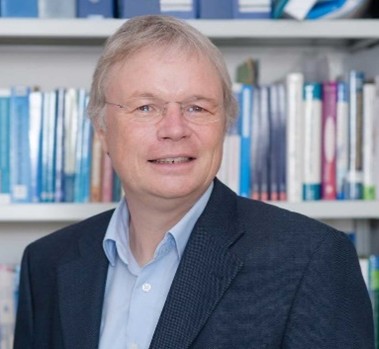
Wolfgang Lutz, Ph.D. completed his doctorate in Psychology at the University of Heidelberg, Germany (1997), post-doctorates at Northwestern University, USA and the University of Berne (1999), and a research professorship at the University of Berne, Switzerland (2004. He is full professor(since 2007) and chair of the Division of Clinical Psychology and Psychotherapy at the University of Trier, Germany as well as director of the clinicaltraining program and outpatient research clinic at the University of Trier. He has authored more than 400 publications (peer- reviewed papers, chapters, and books) including work on demonstrating the benefits of classifying different trajectories of treatment change and illustrating how decision-support tools can be targeted to different patient groups. He is one of the pioneers of patient-focused and feedback research and has worked in the field of practice-oriented and practice based evidence in several countries for over 25 years. He has contributed over 600 presentations on the topic. He is a past editor of Psychotherapy Research (the official journal of SPR), a co-editor of the Journal of Consulting and Clinical Psychology; Behavior Therapy and the German Journal of Psychotherapy and Psychosomatics, and has served or serves on the editorial board of several international journals in the field (e.g.,Clinical Psychological Science, Psychotherapy, Cognitive Therapy and Research, Journal of Psychotherapy Integration, Journal of Clinical Psychology). He was president of the Society for Psychotherapy Research (SPR) from 2022-2023 and has been recognized by various awards and fellowships, including the SPR’s Early Career Contribution Award and distinguished research and leader recognition from the Association for Psychological Science (APS). Alongside Michael Barkham and Louis Castonguay, he is one of the editors of the 7th edition of Bergin & amp; Garfield’s Handbook of Psychotherapy and BehaviorChange.
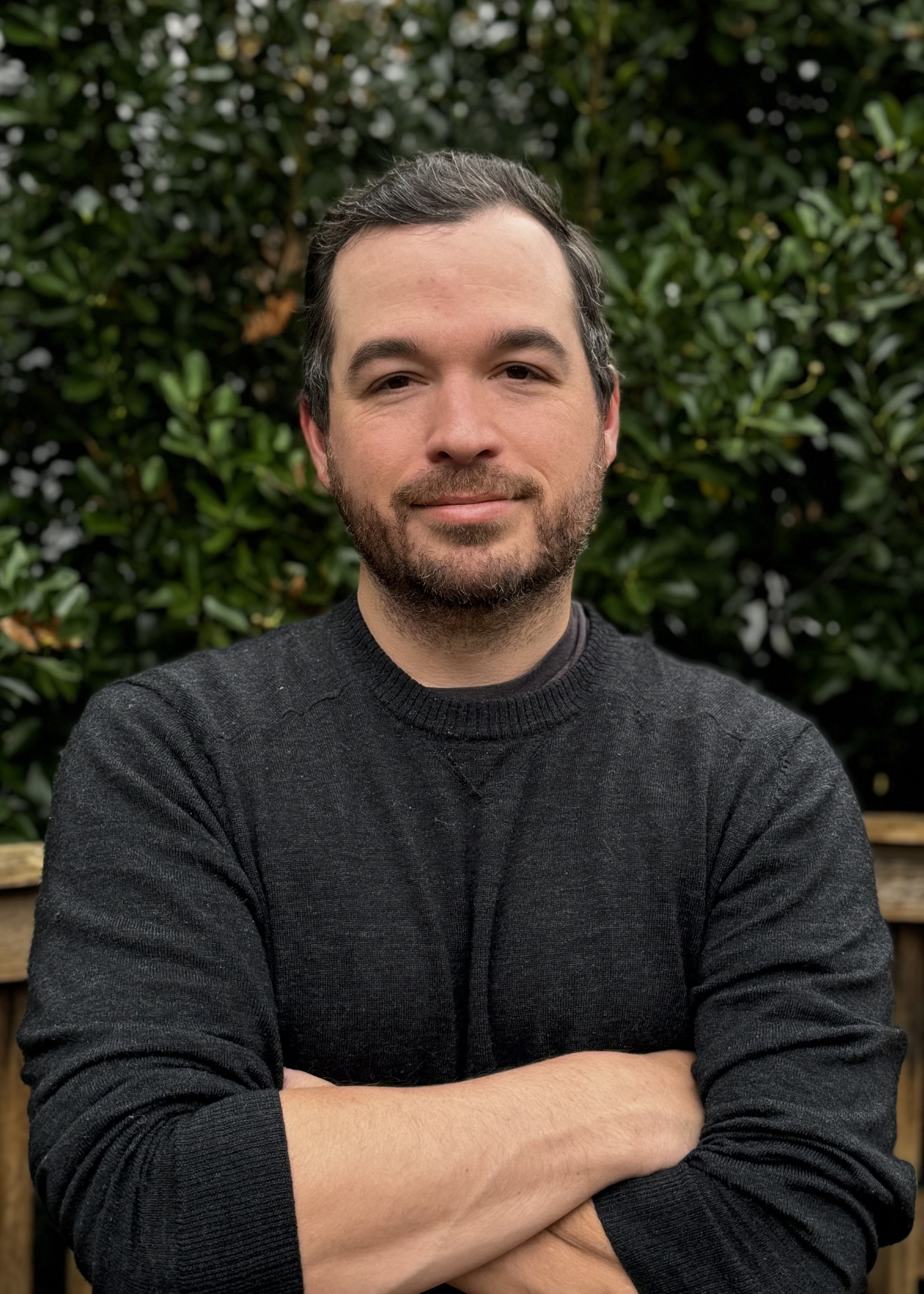
Will Dobud, PhD, is a Senior Lecturer (Associate Professor) of Social Work with Charles Sturt University (Australia) and a co-founder of the Outdoor Therapy Centre for Research and Practice. Will began working with outdoortherapy organisations in 2005 across the United States and Australia, including experiences in Norway, and co-founded True North Expeditions, Inc., a non-profit in Adelaide, South Australia, providing therapy services for adolescents and families. He is an award-winning researcher and university educator. His research focuses on improving clients’ experiences in psychotherapy and care, and his writing spans improving outcomes, ethics, and safety. Will is the co-editor of Outdoor Therapies (Routledge,2020) and Solution-Focused Practice in Outdoor Therapy (2022, Routledge). Will is also the co-author of Kids These Days:Understanding and Supporting Youth Mental Health (2025, New SocietyPublishers).
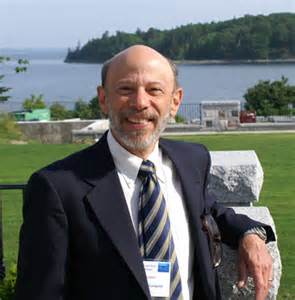
Bruce E. Wampold Ph.D., ABPP, who received his PhD in counseling psychology from the University of California, Santa Barbara, is Emeritus Professor of Counseling Psychology at the University of Wisconsin—Madison and is Chief-Scientist and a founder of Skillsetter.com, an electronic platform for the deliberate practice of interpersonal skills. He is a Fellow of the American Psychological Association, is Board Certified in Counseling Psychology by the American Board of Professional Psychology, and is the recipient of the 2007 Distinguished Professional Contributions to Applied Research Award from the American Psychological Association, the 2015 Distinguished Research Career Award from the Society for Psychotherapy Research, and the 2019 Gold Medal Award for Life Achievement in the Application of Psychology from the American Psychological Foundation. He has proposed a Contextual Model of Psychotherapy, which is summarized in The Great Psychotherapy Debate: The Evidence for What Makes Psychotherapy Work.
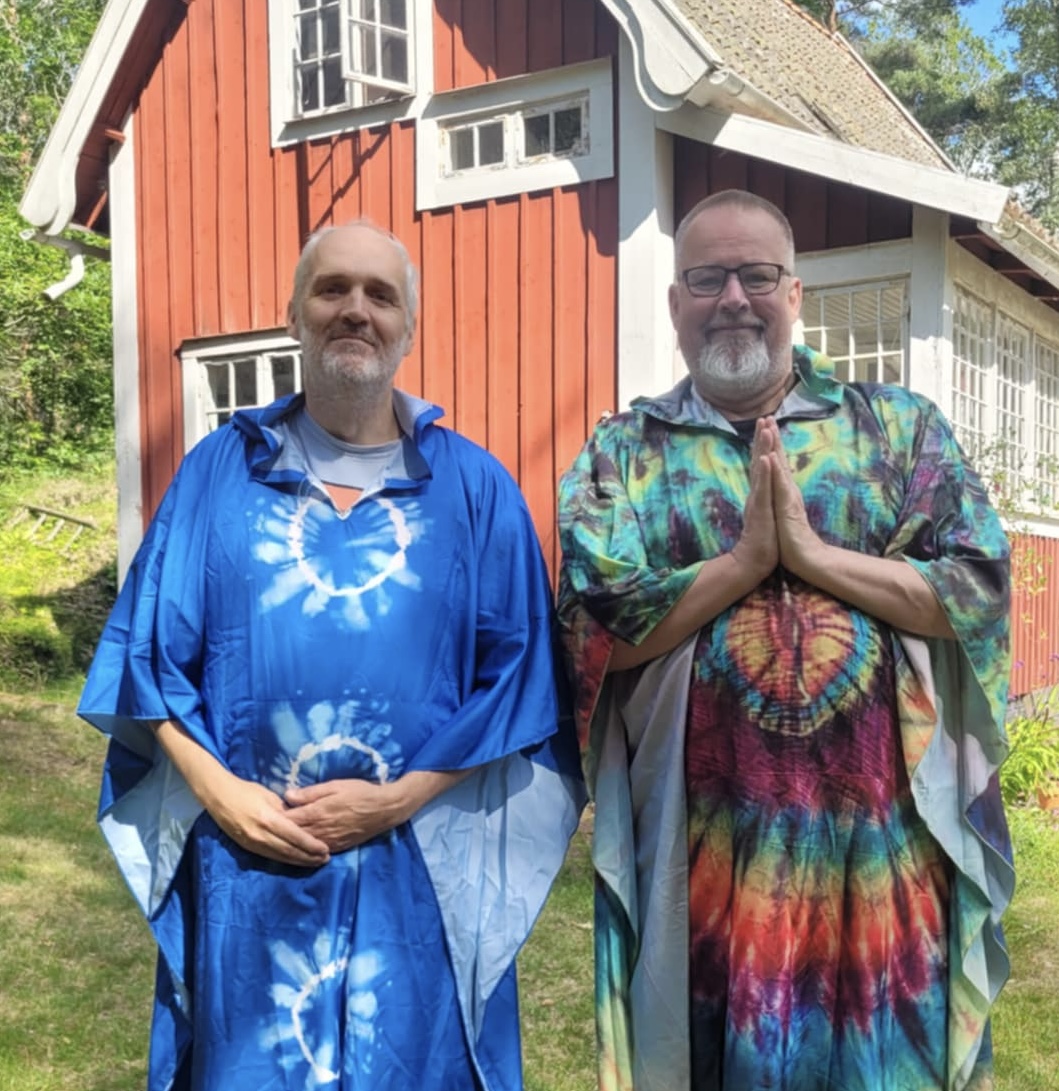
ICCE certified traineras well as a solutionfocused trainer.
Magnus Johansson is a researcher. social worker, certified counsellor,certified FIT trainer as well as MINT trainer with a PhD in social work. He hasworked most of his career with addiction and is now working asmanager at e-stöd, digital interventions. His research has mainly beenfocused on the effects of digital interventions.
Niklas Waitong is a qualified social worker, ICCE certifiedtrainer as well as a solutionfocused trainer. He has been workingwith troubled youth in 24 hour care for almost 40 years and has been usingFIT since 2000.
Kongshøll and Hotel Føroyar
The first day of the conference (29. April) will be held in Kongshøll.
Kongshøll, also known as "The King's Hall," is a versatile venue located at Vestara Bryggja 15 along the scenic waterfront of Tórshavn, Faroe Islands. Situated within the Silo building, it offers stunning views of the historic Tinganes district and the bustling Eastern Quay, where ferries and fishing vessels come and go
Address: 15 Vestara Bryggja, Tórshavn 100, Faroe Islands
The next days will be held at at Hotel FøroyarHotel Føroyar is located around 2 km from the city centrum overlooking the town of Tórshavn and the island of Nólsoy.
Address: 45 Oyggjarvegur, Tórshavn 100, Faroe Islands


.avif)
Accommodation
Rooms are pre-booked at Hotel Føroyar****
Hotel Føroyar has a main building with 177 rooms as well as an Annex with 23 rooms. The hotel has a restaurant, café and SPA. Breakfast is in the main building.
Hotel Føroyar / Rúnarlon is located about 2 km from city center in Tórshavn. Guests can walk different paths to the city center or drive about 10 minutes to city center. The ride to the venue is approx.15 minutes. The hotel has a restaurant with panoramic view of the capital Tórshavn, as well as a bar and conference facilities, fitness and spa.
Hotel Føroyar is a part of “Burðardyggum Vinnulívið”, which is a Faroese initiative to become more sustainable.
Getting to
the Faroe Islands
You can fly non-stop to the Faroe Islands from various destinations, including Copenhagen, Paris, Reykjavik, Edinburgh, Oslo, and Bergen. For North American travellers, convenient connections are available through Iceland, making it easy to reach this archipelago.
The most frequent departures is the Danish capital, Copenhagen. If there are no direct flights from your chosen departure airport, Atlantic can offer connections via several gateway airports. Depending on the route, it generally takes around 2hr30min to fly directly to the Faroes – though some routes, such as Edinburgh and Reykjavík, take little over an hour.
Four airlines fly to the Faroe Islands. These are the Faroe Islands’ national airline, Atlantic Airways, Icelandair, Scandinavian Airlines (also called SAS) and Widerøe.


Flights are 5-6 times a week from May to October.


Getting to the Faroe Islands by Sea
Although flying is undoubtedly the fastest way to reach the Faroe Islands, there is another option. Operating year-round from the Danish port of Hirtshals in northern Jutland, the Faroese-owned and operated ferry, Norröna sails to Tórshavn in around 30 hours (longer outside the summer season). During the summer sailing season, the ferry continues north from the Faroes to Iceland before returning south, again via the Faroes, to Denmark.
Given the length of the crossing to the Faroes, creature comforts have been given pride of place onboard the Norröna and the ship offers everything you would expect from a modern international ferry. True, the crossing is a long one and the swells and waves of the North Atlantic, especially in winter, can be unpredictable and unsettling but travel by ferry to the Faroes is a fabulous way to get here. What’s more, the ferry docks right in the heart of the capital, Tórshavn, and as Norröna makes her final turn into the harbour you’re treated to a fabulous panorama of the entire town laid out before – it really is as beautiful as it sounds.
If you require any assistance with booking flights, please feel free to contact GreenGate PCO at mice@greengate.fo or +298 350520
Call for Workshop Proposals
The International Conference on Feedback-Informed Treatment
April 29 – May 1, 2026 | Faroe Islands
We are pleased to invite abstract submissions for ACE 2026: The International Conference on Feedback-Informed Treatment, to be held in the Faroe Islands from April 29 to May 1, 2026.
ACE brings together practitioners and researchers from around the world to explore cutting-edge developments, innovations, and applications of feedback-informed treatment (FIT) in mental health and allied fields. Whether you are advancing empirical research, implementing FIT in complex settings, or reflecting on practice-based insights, we welcome your submission.
Submissions are open to all topics related to FIT, including (but not limited to): implementation, using FIT in specific populations and treatment settings, cultural adaptation, clinical outcomes, training and supervision, deliberate practice, and therapist effects. We especially encourage proposals that explore diverse settings, challenge assumptions, and foster dialogue between research and practice.
Key details:
- Proposals should be a maximum of 300 words.
- Submissions will be reviewed and selected for workshops to be held on April 30 or May 1
- Notification of acceptance: October 2025.
Whether you are an experienced researcher, emerging scholar, or practitioner innovating on the ground, your contribution is vital to the ACE community. Join us in the Faroe Islands to connect, inspire, and shape the future of feedback-informed treatment.
For questions, contact us at mice@greengate.fo
Passport &
visas
The Faroe Islands are tied to the Danish immigration policy. However, there are some differences in working, residing, and visiting the Faroe Islands compared to Denmark.
You are not obliged to hold a passport for entry to the Faroe Islands but will need a photo identity document. You may stay indefinitely in the Faroe Islands without any further permits.
You do not need a visa or other permit to visit the Faroe Islands. You may enter with a passport, or, for visits, a national ID card (that includes a photo) from one of the below countries. This only applies to citizens of the below countries. It is NOT sufficient to be a foreign resident; you must be a citizen.
Austria
Belgium
Bulgaria
Croatia
Cyprus
Czech Republic
Estonia
Finland
France
Germany
Great Britain
Greece
Hungary
Ireland
Italy
Latvia
Lichtenstein
Lithuania
Luxembourg
Malta
Netherlands
Poland
Portugal
Romania
Slovakia
Slovenia
Spain
Sweden
Switzerland
Visitors from countries outside the EU and Schengen area must usually hold a passport valid for at least three months beyond the planned stay in the Faroe Islands. Depending on the nationality, a visa may also be required. The nationalities requiring a visa for entering the Faroe Islands is the same as for Denmark and can be seen here.
The Faroe Islands are NOT part of the Schengen Area. Consequently, people cannot enter the Faroe Islands based on their Schengen visas or Danish visa. When a visa is applied for at the Danish Embassy, it must be specifically for the Faroe Islands.
The conditions for obtaining a visa for the Faroe Islands are similar to the conditions for obtaining a visa for Denmark.
A visa for Denmark does not give the holder the right to enter the Faroe Islands unless it is stated in the visa, just as a visa for the Faroe Islands does not give the holder the right to enter Denmark if it is not stated in the visa.
Visa is required for entering the Faroe Islands regardless of whether the person has a residence permit in Denmark. Correspondingly, a visa is required when entering Denmark, even though the person has a residence permit in the Faroe Islands.
Further information for foreigners living in Denmark, who wish to visit the Faroe Islands, can be found here.
If in doubt, contact the airline, ferry, or cruise company you are arriving with.
WHERE TO APPLY FOR A VISA
Visas are applied for at the Royal Danish Embassy or Consulate in your country of residence.
A list of Danish Embassies and Consulates around the world can be viewed here.